
For 3-8 Years

Rollerball Maze

Original price was: ৳ 2,300.Current price is: ৳ 1,800.

In stock

বক্সে যা থাকছে

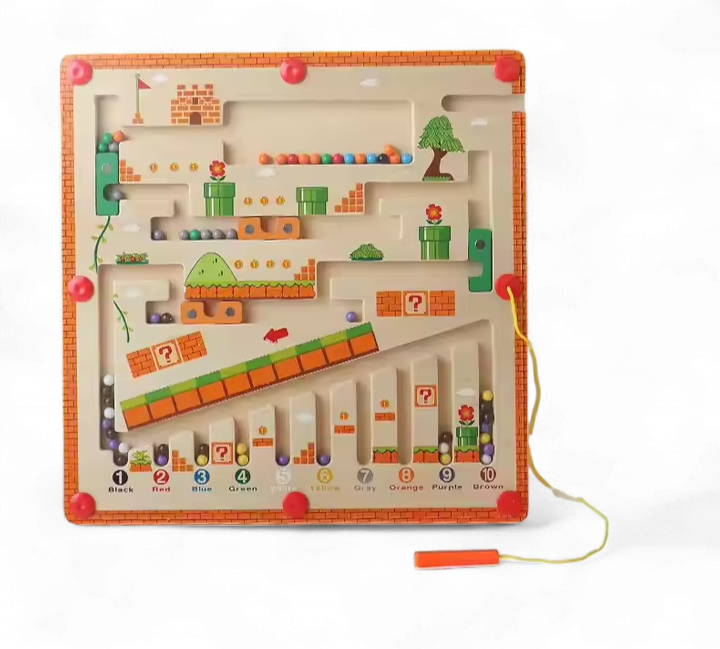
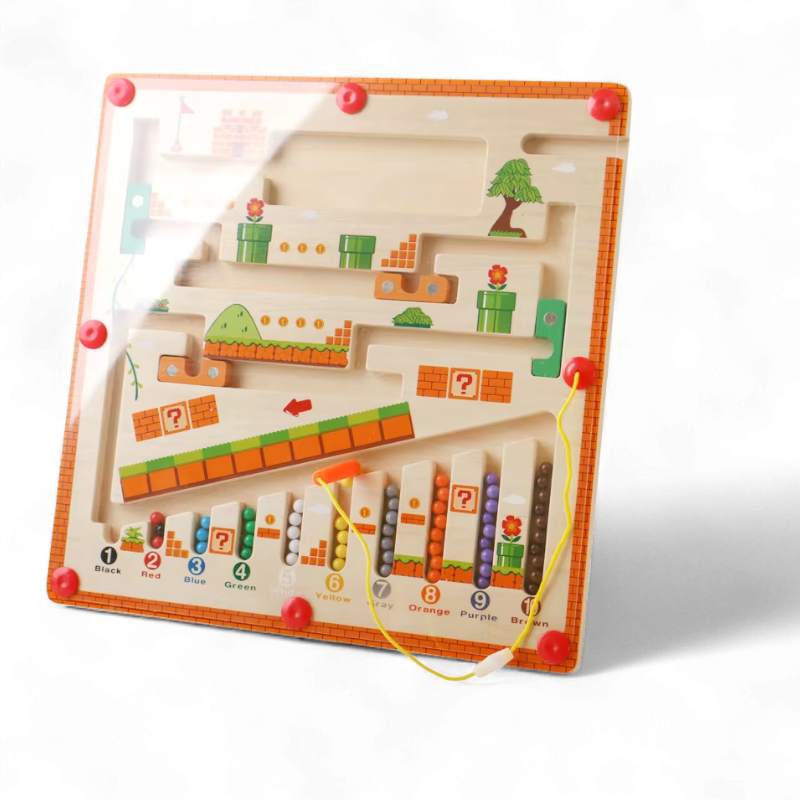
  • ১ × কাঠের ম্যাগনেটিক রোলারবল মেজ বোর্ড
  • ১ × বোর্ডে লাগানো ম্যাগনেটিক পেন/স্টাইলাস
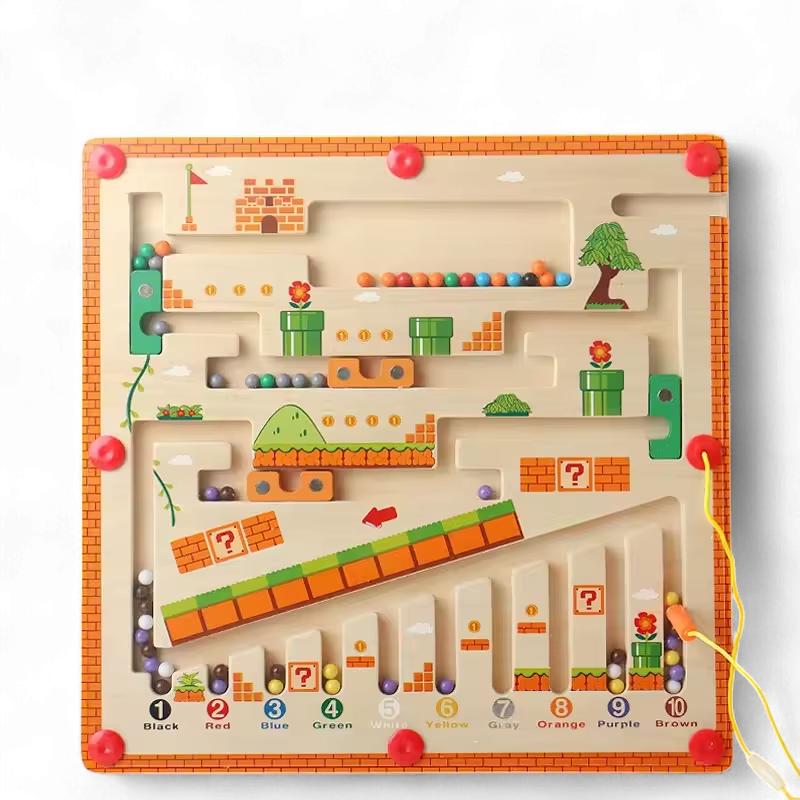
  • সিল করা মেজের ভেতরে বিল্ট-ইন রঙিন ম্যাগনেটিক বল
  • ১ থেকে ১০ পর্যন্ত সংখ্যা ও রং মেলানোর লেন
  • স্বচ্ছ প্রোটেকটিভ টপ কভারসহ সম্পূর্ণ এক-পিস বোর্ড ডিজাইন

পণ্যের ধরন

  • ম্যাগনেটিক মেজ ও রঙ-সংখ্যা সোর্টিং বোর্ড
  • ক্লোজ-এন্ডেড পাজল ও লজিক গেম
  • প্রি-রাইটিং, পেন্সিল-গ্রিপ ও ফাইন মোটর স্কিল অ্যাক্টিভিটি
  • স্ক্রিন-ফ্রি, ব্যাটারি-ফ্রি, শান্ত মনোযোগের খেলনা

পণ্যের বৈশিষ্ট্য

  • কাঠের বোর্ডে পথ, বাধা, রং ও সংখ্যা সাজানো মেজ ডিজাইন
  • ম্যাগনেটিক পেন দিয়ে বল সরিয়ে ঠিক রঙের ও সংখ্যার ঘরে নেওয়ার খেলা
  • সিলড টপ কভার ছোট বলগুলোকে বোর্ডের ভেতরেই রাখে
  • রঙিন বল ও ১-১০ সংখ্যা গোনা, মিলানো, সাজানো ও সোর্টিং শেখায়
  • পেন-স্টাইল ধরার ভঙ্গি পেন্সিল-গ্রিপ রেডিনেসে সহায়ক
  • চোখ দিয়ে পথ দেখা, হাত দিয়ে পেন চালানো, ধীরে চলা ও ভুল ঠিক করার প্র্যাকটিস তৈরি করে

যেসব দক্ষতা গঠনে সহায়ক

  • ফাইন মোটর স্কিল, পেন্সিল-গ্রিপ, আঙুলের নিয়ন্ত্রণ ও কবজির মুভমেন্ট
  • হ্যান্ড-আই কোঅর্ডিনেশন, ভিজ্যুয়াল ট্র্যাকিং ও মনোযোগ ধরে রাখা
  • রং চেনা, সংখ্যা চেনা, গোনা, মিলানো ও সোর্টিং
  • লজিক্যাল থিংকিং, প্রবলেম-সলভিং, ধৈর্য ও সিকোয়েন্সিং
  • কজ-ইফেক্ট বোঝা, পরিকল্পনা করা, বাধা এড়িয়ে পথ বের করা ও স্ক্রিন-ফ্রি ফোকাস

What’s in the Box

  • 1 × wooden magnetic rollerball maze board
  • 1 × attached magnetic pen/stylus
  • Built-in colorful magnetic balls inside the sealed maze
  • Number and color sorting lanes from 1 to 10
  • One-piece board design with a clear protective top cover

Product Type

  • Magnetic maze and color-number sorting board
  • Close-ended puzzle and logic game
  • Pre-writing, pencil-grip, and fine motor activity
  • Screen-free, battery-free, quiet-focus learning toy

Product Attributes

  • Wooden board with pathways, obstacles, colors, and numbered lanes
  • Magnetic pen guides the balls into matching color and number spaces
  • Sealed top cover keeps the small balls contained inside the board
  • Colorful balls support counting, color matching, sorting, and ordering
  • Pen-style grip supports pencil-grip readiness
  • Encourages visual tracking, controlled hand movement, slow pacing, and error correction

Skills Supported

  • Fine motor skills, pencil grip, finger control, and wrist movement
  • Hand-eye coordination, visual tracking, and sustained attention
  • Color recognition, number recognition, counting, matching, and sorting
  • Logical thinking, problem-solving, patience, and sequencing
  • Cause-effect understanding, planning, pathfinding, and screen-free focus

বাবু যখন পেন হাতে নিয়ে ছোট্ট বলটাকে পথ দেখায়, তখন খেলা খুব শান্ত দেখালেও ভেতরে ভেতরে অনেক কাজ চলতে থাকে। চোখ আগে পথ খুঁজে, হাত তারপর পেন চালায়, বল একটু এগোয়, কোথাও আটকে যায়, আবার ঘুরে নতুন পথে নামে। রোলারবল মেজের আনন্দ এখানেই—একটি ছোট বলকে ঠিক রঙের ও সংখ্যার ঘরে পৌঁছে দিতে গিয়ে বাবু নিজের মনোযোগ, ধৈর্য আর হাতের নিয়ন্ত্রণকে একসঙ্গে কাজে লাগায়। বোর্ডের ভেতরে বলগুলো সিল করা থাকে, তাই খেলা থাকে গোছানো, বারবার ব্যবহারযোগ্য এবং ঘরের শান্ত সময়ের জন্য খুব সুন্দর।

খেলার শুরুটা সহজ রাখা যায়। কেয়ারগিভার একটি রং দেখিয়ে বলতে পারেন, “লাল বলটা কোথায়?” তারপর বাবু ম্যাগনেটিক পেন দিয়ে বলটাকে পথে নামায়। কখনো সোজা যায়, কখনো বাঁক নেয়, কখনো বাধার সামনে থামে। এরপর আসে সংখ্যা: “তিন নম্বর ঘরে তিনটা বল রাখি”, “নীল বলগুলো নীল লেনে যাক”, “এক থেকে দশ পর্যন্ত গুনে দেখি।” এই ছোট ছোট প্রম্পট বাবুকে শুধু উত্তর দিতে বলে না; দেখতে, মিলাতে, গুনতে, পরিকল্পনা করতে এবং নিজের কাজ নিজে ঠিক করতে শেখায়।

পেন-স্টাইল খেলাটা ফাইন মোটর স্কিলের জন্য বিশেষভাবে কাজের। বাবু পেন ধরে, চাপ সামলায়, হাত ধীরে চালায়, কবজি ঘোরায়, বলের গতি দেখে আবার হাত ঠিক করে। এই নিয়ন্ত্রিত নড়াচড়া পেন্সিল-গ্রিপ রেডিনেস, আঙুলের শক্তি, হ্যান্ড-আই কোঅর্ডিনেশন এবং ভিজ্যুয়াল ট্র্যাকিংকে খেলার ভেতরেই প্র্যাকটিস করায়। লেখা শেখার আগে হাতকে যে ধৈর্য, স্থিরতা ও ছোট মুভমেন্টের অভ্যাস দরকার, এই বোর্ড সেই প্রস্তুতিটা খেলাচ্ছলে তৈরি করে।

রং ও সংখ্যা শেখাও এখানে মুখস্থের মতো লাগে না। বাবু দেখে কোন বল কোন রঙের, কোন লেনে কতটা জায়গা, কোন সংখ্যা কতগুলো বল চায়। ভুল লেনে বল চলে গেলে সেটি ফিরিয়ে আনার কাজটাও শেখার অংশ। এতে কজ-ইফেক্ট বোঝা, সিকোয়েন্সিং, সোর্টিং, লজিক্যাল থিংকিং এবং প্রবলেম-সলভিং ধীরে ধীরে দৃশ্যমান হয়। “বলটা কেন আটকাল?”, “কোন পথটা ছোট?”, “শেষ বলটা কোথায় যাবে?”—এমন প্রশ্ন বাবুকে নিজের ভাবনাকে হাতে-কলমে পরীক্ষা করতে দেয়।

দৈনন্দিন খেলায় এই বোর্ড খুব সহজে জায়গা করে নেয়। দুপুরের শান্ত সময়, পড়ার টেবিলের আগে পাঁচ মিনিট, ভ্রমণের আগে ব্যাগে রাখার মতো এক মনোযোগী অ্যাক্টিভিটি—সব জায়গায় এটি কাজ করে। কেয়ারগিভার পাশে বসে রংয়ের গল্প বানাতে পারেন, সংখ্যা গুনতে পারেন, বলের পথ নিয়ে ছোট মিশন দিতে পারেন। বাবু যখন শেষ বলটাও ঠিক ঘরে পৌঁছে দেয়, সে শুধু একটি মেজ শেষ করে না; সে নিজের চোখ, হাত, মন আর ছোট্ট সিদ্ধান্তগুলোকে একসঙ্গে চালানোর অভিজ্ঞতা পায়। স্ক্রিন-ফ্রি সময়ে এমন মনোযোগী, গোছানো, হাতে-কলমে খেলা বাবুর শেখাকে ঘরের মেঝে বা টেবিলেই আনন্দের জায়গা করে দেয়।


A magnetic rollerball maze turns quiet table play into a small exercise in focus, control, and early thinking. A child holds the attached magnetic pen, finds a colored ball, and guides it through pathways toward the matching number and color lane. The movement looks simple from the outside, but the child is coordinating the eyes, hand, fingers, wrist, and attention with every small step. The sealed board keeps the balls contained, so the play stays tidy, repeatable, and easy to return to.

Start with one color. “Find the red ball.” Then add a route. “Move it around the corner.” Then add a number. “Let’s put three balls in number 3.” These prompts turn the board into a flexible learning game without making it feel like a lesson. The child watches the path, controls the pen, avoids blocked corners, corrects mistakes, and tries a new direction when the ball gets stuck. Each tiny decision strengthens patience and problem-solving.

The pen-style grip gives the toy strong pre-writing value. Children practice holding a tool, applying gentle pressure, slowing the hand down, turning the wrist, and following a visual path. Those actions support fine motor development, pencil-grip readiness, hand-eye coordination, and visual tracking. Before handwriting becomes formal, the hand gets a playful reason to become steadier and more precise.

The color and number side of the maze adds early math and logic. Children match red to red, blue to blue, one ball to number 1, ten balls to number 10. They count, sort, compare, and place objects in order. When a ball enters the wrong lane, the child brings it back and tests the path again. That cycle of try, notice, adjust, and complete supports cause-effect understanding, sequencing, planning, and logical thinking in a very concrete way.

For caregivers, the board invites calm conversation. Ask, “Which ball should move next?” “How many are in this lane?” “Which path is shorter?” “What happens if we go this way?” The child answers through action first, then through words. That makes the learning feel connected to real movement. Used during quiet time, before study time, or as a focused travel activity, this maze gives children a satisfying screen-free challenge: guide the ball, solve the route, count the result, and feel the pleasure of finishing with their own careful hands.