
For 3-5 Years
Animatrix
৳ 1,200 Original price was: ৳ 1,200.৳ 990Current price is: ৳ 990.
Only 1 left in stock
ডিটেইলস
বক্সে যা থাকছে
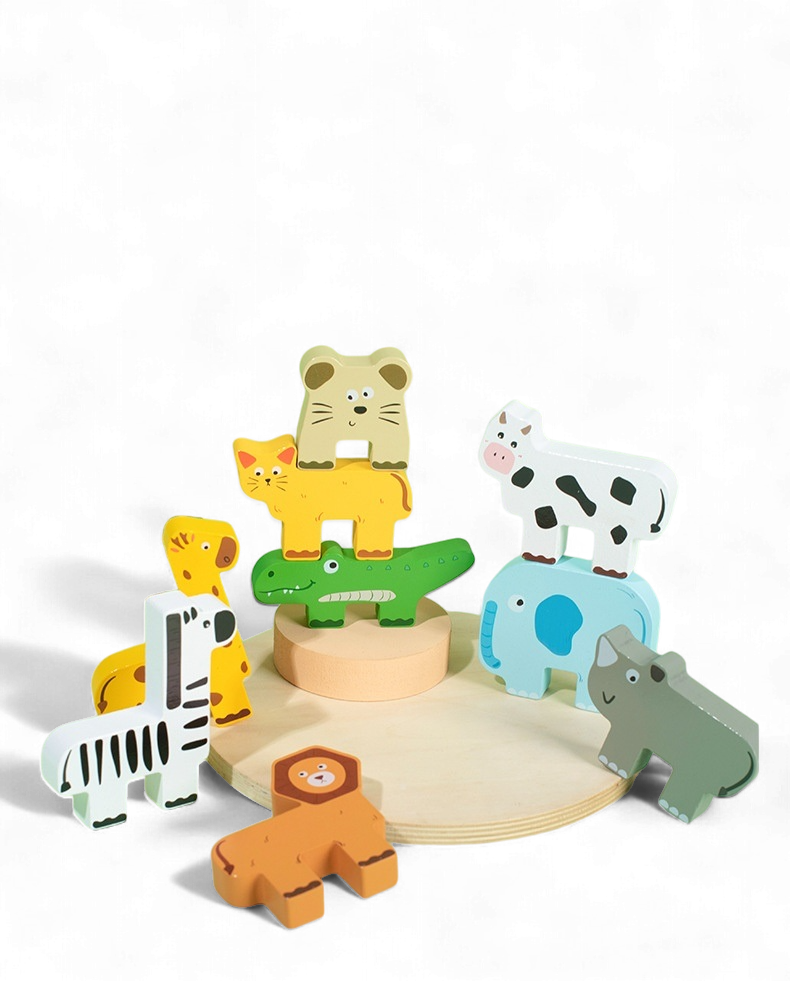
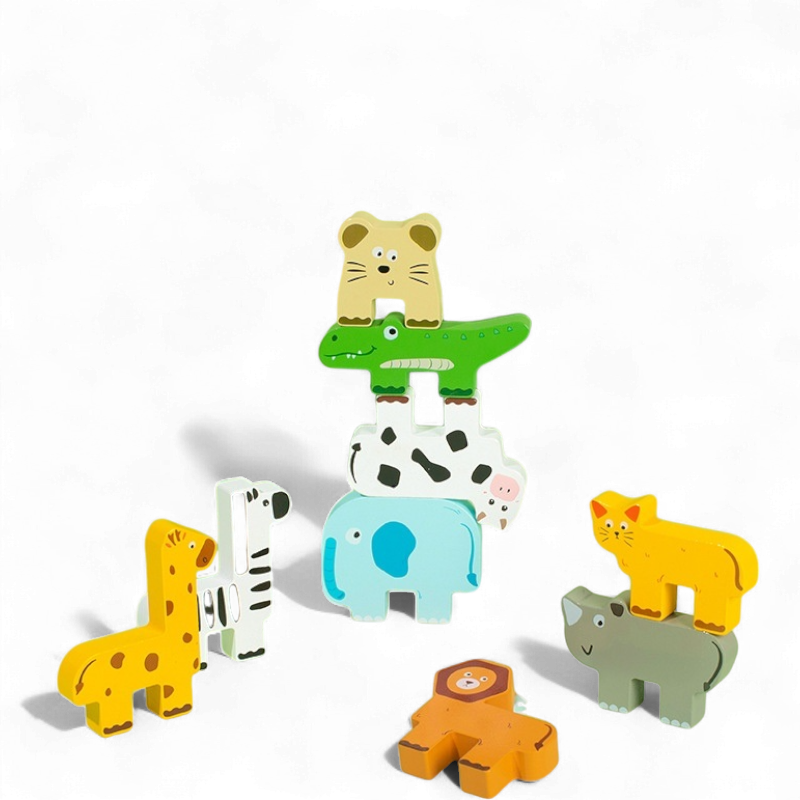
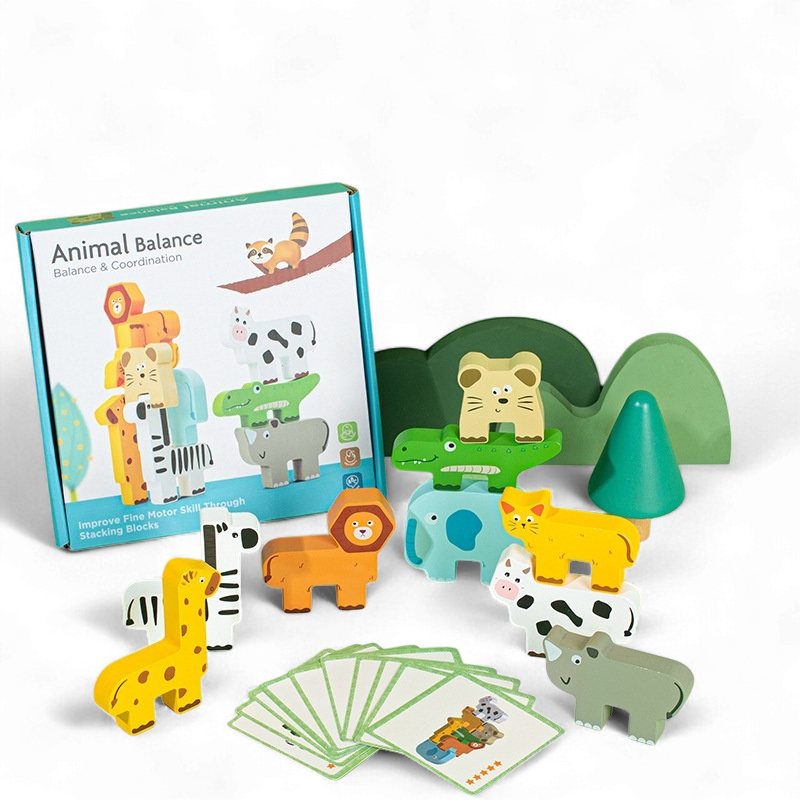
- ৯টি রঙিন কাঠের প্রাণীর ব্লক: সিংহ, ভালুক, বিড়াল, গরু, হাতি, গণ্ডার, কুমির, জেব্রা ও জিরাফ
- ১টি কাঠের ব্যালেন্সিং বেস
- ইলাস্ট্রেটেড স্ট্যাকিং চ্যালেঞ্জ কার্ড
পণ্যের ধরন
কাঠের অ্যানিম্যাল স্ট্যাকিং ও ব্যালেন্স গেম
পণ্যের বৈশিষ্ট্য
- হাতে ধরে সাজানোর জন্য মসৃণ রঙিন কাঠের প্রাণীর পিস
- কার্ড দেখে স্ট্যাকিং চ্যালেঞ্জ বা নিজের মতো ওপেন-এন্ডেড খেলা
- ব্যালেন্স, উচ্চতা, অবস্থান ও দিক নিয়ে হাতে-কলমে এক্সপেরিমেন্ট
- একাই খেলা, কেয়ারগিভারের সঙ্গে খেলা ও পালা করে খেলার উপযোগী
খেলার ধরন
- ব্যালেন্সিং, স্ট্যাকিং, প্রাণী চেনা, রং চেনা, চ্যালেঞ্জ কার্ড মিলানো ও প্রিটেন্ড প্লে
যেসব দক্ষতা গঠনে সহায়ক
- ফাইন মোটর স্কিল ও হ্যান্ড-আই কোঅর্ডিনেশন
- ব্যালেন্স, স্পেশাল থিংকিং ও প্রবলেম-সলভিং
- মনোযোগ, ধৈর্য, সিকোয়েন্সিং ও কজ-ইফেক্ট বোঝা
- প্রাণীর নাম, রং, গল্প বলা ও টার্ন-টেকিং
Details
What’s in the Box
- 9 colourful wooden animal blocks: lion, bear, cat, cow, elephant, rhinoceros, crocodile, zebra, and giraffe
- 1 wooden balancing base
- Illustrated stacking challenge cards
Product Type
Wooden animal stacking and balancing game
Product Attributes
- Smooth, painted wooden animal pieces made for hands-on stacking
- Challenge-card play alongside open-ended building
- Hands-on exploration of balance, height, position, and direction
- Designed for independent play, caregiver play, and turn-taking
Play Types
- Balancing, stacking, animal and colour recognition, challenge matching, and pretend play
Skills Supported
- Fine motor skill and hand-eye coordination
- Balance, spatial thinking, and problem-solving
- Focus, patience, sequencing, and cause-and-effect understanding
- Animal vocabulary, colour language, storytelling, and turn-taking
খেলার টেবিলে কাঠের প্রাণীগুলো ছড়িয়ে দিলেই শুরু হয় বাবুর নিজের ছোট্ট জগৎ। কেউ আগে হাতিটাকে হাতে নেয়, কেউ জেব্রার ডোরাগুলো দেখে হাসে, কেউ কুমিরটাকে নিয়ে গল্প বানায়। তারপর আসে আসল মজা: কোন প্রাণীটা নিচে থাকলে টাওয়ার দাঁড়িয়ে থাকে, কোনটার ওপর আরেকটি প্রাণী বসে, আর কোন সাজানোটা একটু নড়লেই ভেঙে পড়ে। এই খেলা বাবুকে শুধু “সঠিক” উত্তর খুঁজতে বলে না। নিজের হাতে চেষ্টা করতে বলে। পড়ে গেলে আবার ধরতে বলে। নতুনভাবে সাজাতে বলে।
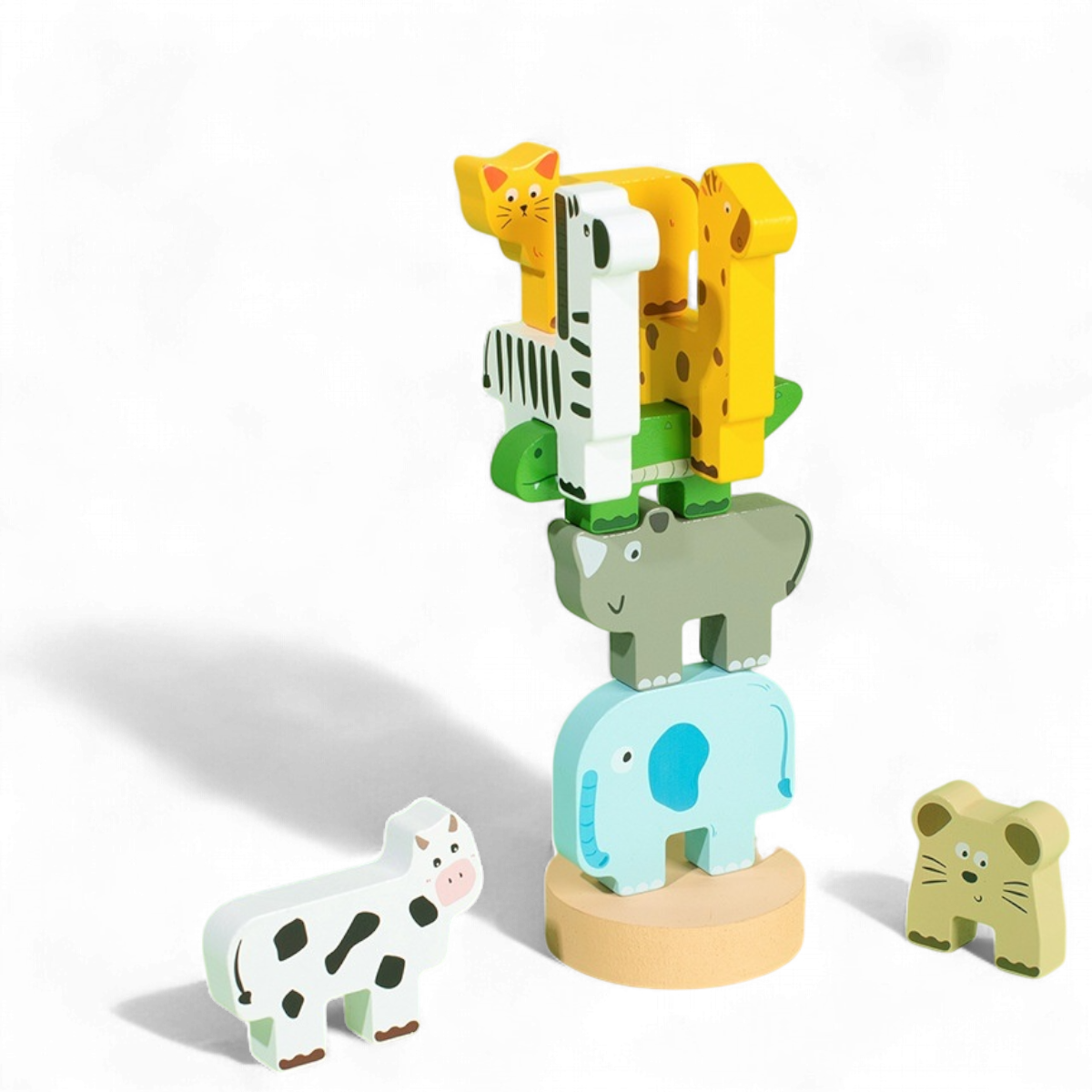
শুরুতে ব্যালেন্সিং বেসের ওপর একটি প্রাণী বসান। বাবুকে একটি করে পিস দিন, তার নাম বলুন, রংটি খুঁজতে বলুন, তারপর জিজ্ঞেস করুন, “এটার ওপর কোন বন্ধুটি দাঁড়ালে টাওয়ারটা শক্ত থাকবে?” বাবু যখন ধীরে ধীরে পিস বসায়, তখন চোখে দেখা আর হাতে করা কাজ একসঙ্গে চলে। হাতের আঙুলের চাপ, কবজির নিয়ন্ত্রণ, পিস রাখার গতি আর দূরত্ব মেপে নেওয়ার ছোট ছোট অভ্যাস তৈরি হয়। একটি পিস হেলে গেলে, বাবু দেখেও শেখে যে অবস্থান বদলালে ফল বদলায়। এভাবেই খেলতে খেলতে কজ-ইফেক্ট বোঝা, স্পেশাল থিংকিং আর ফাইন মোটর স্কিলের অনুশীলন হয়।
চ্যালেঞ্জ কার্ড দিয়ে শুরু করা যায় একটি শান্ত মনোযোগের খেলা। কার্ডে যেমন দেখা যায়, তেমন করে প্রাণীগুলো সাজাতে বলুন। বাবু কার্ডের ছবি, রং, ওপর-নিচের অবস্থান আর পিসের ভঙ্গি দেখে মিল খুঁজবে। সব পিস বসে গেলে একবার দূর থেকে দেখুন, তারপর কার্ডের সঙ্গে মিলিয়ে নিন। এখানে ভুল কোনো থামার জায়গা নয়; ভুল মানেই নতুন পর্যবেক্ষণ। “এটা কেন পড়ল?” “তুমি এবার কোন প্রাণীটা নিচে রাখবে?” “জিরাফকে সোজা রাখলে কী বদলাল?” এমন প্রশ্ন বাবুর মাথায় উত্তর খোঁজার জায়গা করে দেয়।
কার্ড সরিয়ে দিলে খেলাটি আরও খোলা হয়ে যায়। আজ প্রাণীদের ঘুমের টাওয়ার বানানো যায়, কাল জঙ্গলের সেতু, আবার পরদিন চিড়িয়াখানার প্যারেড। সিংহটি পাহারা দিচ্ছে, হাতিটি নদী পার হচ্ছে, জেব্রা তার বন্ধুকে খুঁজছে; গল্পের ভেতর প্রাণীর নাম, রং, বড়-ছোট, ওপর-নিচ, সামনে-পেছনের শব্দগুলো স্বাভাবিকভাবেই আসে। কেয়ারগিভার শুধু প্রশ্নটি ছুড়ে দিন, গল্পের রাস্তা বাবুকে বানাতে দিন।
দুজন বা তিনজন মিলে খেললে পালা করে পিস বসানোর আনন্দও তৈরি হয়। একজন বেসে বসাবে, আরেকজন ওপরের প্রাণী বেছে নেবে, তৃতীয়জন দেখবে টাওয়ার দাঁড়িয়ে আছে কি না। টাওয়ার পড়ে গেলে সবাই মিলে আবার শুরু করা যায়। এতে অপেক্ষা করা, নিজের পালা চেনা, অন্যের পরিকল্পনা দেখা আর আবার চেষ্টা করার অভ্যাস গড়ে ওঠে। দিনের শেষে সব প্রাণী গুনে বক্সে গুছিয়ে রাখার কাজটিও খেলার অংশ: “আজ আমাদের কয়টি প্রাণী ঘরে ফিরল?” ছোট্ট এই প্রশ্নের মধ্যেই গোনা, মনে রাখা আর দায়িত্ব নেওয়ার মধুর অভ্যাস বসে যায়।
বাবু একেবারে শুরুতে শুধু দুটো প্রাণী মিলিয়ে রাখলেও খেলাটির মূল্য কমে যায় না। একটি হাতির ওপর ভালুক বসিয়ে বলুন, “দেখো, দুজন বন্ধু একসঙ্গে দাঁড়িয়ে আছে।” তারপর তিন নম্বর পিসটি হাতে নিয়ে অপেক্ষা করুন। বাবু নিজে জায়গা বেছে নিক। ধীরে ধীরে চ্যালেঞ্জ বাড়ান: একই রঙের দুটো প্রাণী খুঁজে দাও, সবচেয়ে লম্বা প্রাণীটি কোনটি, কোন পিসটি সবচেয়ে ভারী দেখায়, বা পাঁচটি প্রাণী দিয়ে একটি সারি বানাও। এতে খেলার গতি বাবুর হাতে থাকে, আর কেয়ারগিভারের ভাষা তাকে নতুন করে দেখতে শেখায়। মেঝেতে বসে, খাবারের আগে দশ মিনিটে, বা ঘুমের আগের শান্ত সময়ে এই সেট সহজে খুলে বসা যায়। বড় টাওয়ার দাঁড় করানোর পর ছবি তোলা, টাওয়ারের নাম দেওয়া, বা পরের দিনের জন্য নতুন চ্যালেঞ্জ ঠিক করে রাখাও বাবুর কনফিডেন্সকে খেলার সঙ্গে জুড়ে দেয়।
এভাবে একই সেট প্রতিদিন নতুন নিয়ম, নতুন গল্প আর নতুন আনন্দ দেয়।
Spread the wooden animals across the play table and a small world appears at once. One child reaches for the elephant; another notices the zebra’s stripes; another decides that the crocodile needs to lead a parade. Then the real question arrives: which animal belongs at the bottom, which one can balance on top, and how high can the tower grow before it topples? This is not a toy that asks a child to guess a single right answer. It invites trying, noticing, rebuilding, and discovering a fresh route after every tumble.
Begin with one animal on the balancing base. Offer another piece and invite your child to look closely before placing it. “Where will this one stand?” “Which animal looks steady at the bottom?” “Can you make the tower taller without making it wobble?” Each careful placement brings the eyes and hands into one shared task. Little fingers adjust their grip. A wrist slows down. The child judges distance, direction, and pressure in real time. When the tower leans or falls, the next attempt carries new information: changing the position changes what happens. That simple cycle gives balance, hand-eye coordination, spatial awareness, and cause-and-effect understanding a lively, practical place to grow.
The illustrated challenge cards add another kind of satisfaction. Choose a card, study the picture together, and let your child recreate its arrangement. They look for colour, animal, height, and order; then they compare the finished tower with the card. It is a small puzzle with a wonderfully visible result. The conversation matters as much as the stack. Ask, “What did you notice first?” “Why did that piece slide?” “What could you change?” These prompts leave room for observation before explanation. A tower that falls does not interrupt play; it gives the child a reason to pause, think, and make a new plan.
Once the cards are set aside, the animals become characters. The lion can guard a bridge. The giraffe can look over the trees. The cow can visit the elephant, while the crocodile waits by the river. Stacking turns into storytelling, and ordinary language slips naturally into the game: above, below, beside, tall, short, first, next, and last. Naming animals, describing their colours, and inventing their adventures give the child an easy, screen-free space for words and imagination.
This set also settles beautifully into shared family play. Take turns choosing an animal, placing it, and checking whether the tower can stay upright. A caregiver can model a slow, calm attempt; the child can lead the next round. There is room for laughter, concentration, and the quiet pride of seeing a difficult arrangement stand. When play ends, count the animals together and return each one to the box. That final little ritual brings sorting, recall, and responsibility into the same warm play loop. Each session leaves behind a tower, a story, and the confidence of having worked something out with their own hands.
For a quieter beginning, start with only two animals and describe what your child has made. Then add one small invitation: find two matching colours, build a line of five, or choose the tallest animal. The play stays in the child’s hands while your words give their noticing a little more shape.