

For 6-24 months
English Encyclopedia Set B
৳ 850 Original price was: ৳ 850.৳ 660Current price is: ৳ 660.
In stock
বক্সে যা থাকছে
- ১টি ৫-বইয়ের সফট ক্লথবুক সেট
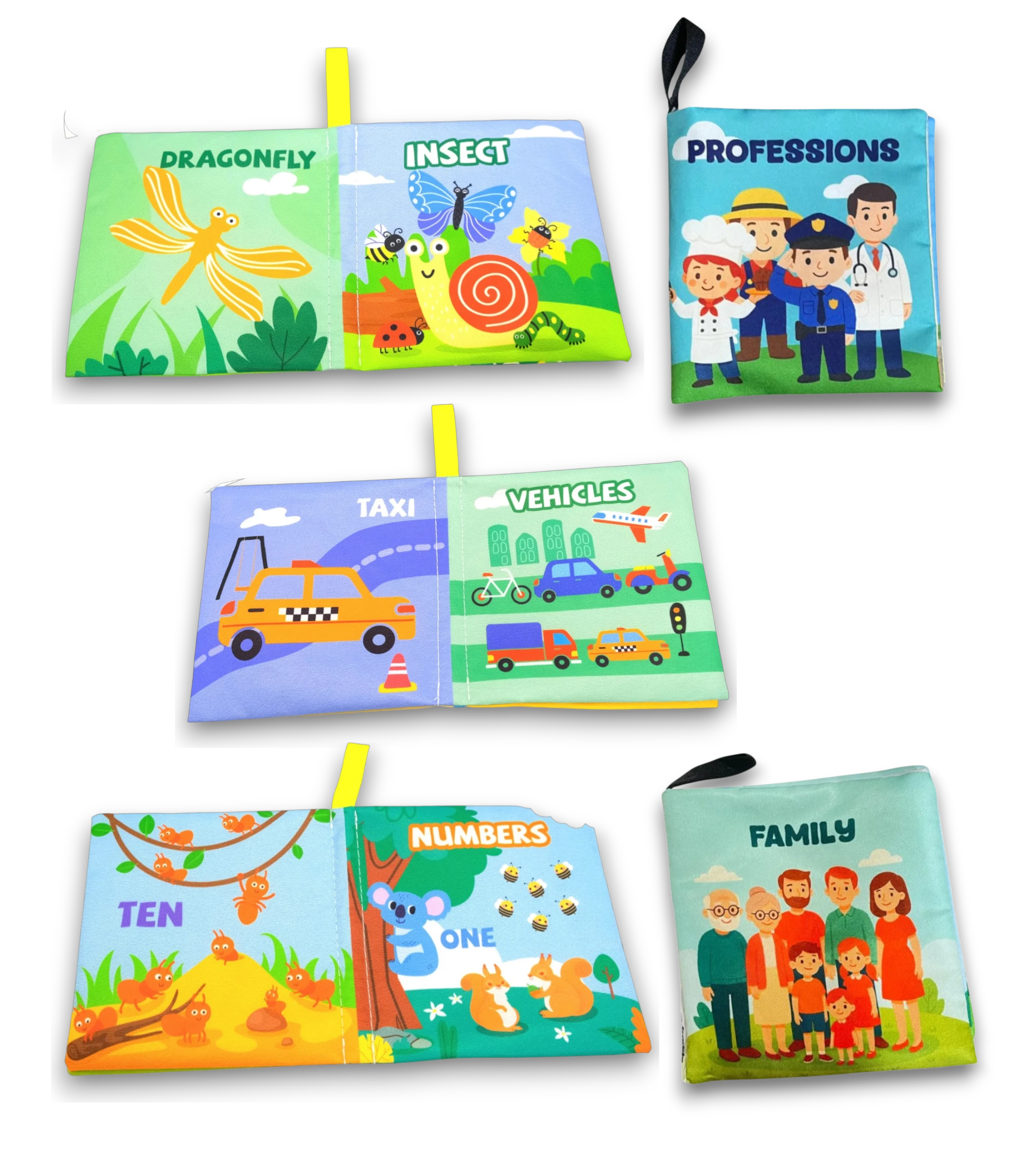
- ৫টি থিমড কাপড়ের বই: পেশা, পরিবার, সংখ্যা, পোকামাকড় ও যানবাহন
- প্রতিটি বইয়ে বাবুর প্রথম শব্দভান্ডারের জন্য ছবি, শব্দ ও ছোট থিম-ভিত্তিক পরিচয়
পণ্যের ধরন
- ইংলিশ আর্লি ভোকাবুলারি ক্লথবুক সেট
- সেন্সরি কাপড়ের বই
- কেয়ারগিভার-লেড স্ক্রিন-ফ্রি বুক প্লে
- টামি টাইম, কোলে বসে পড়া, মেঝেতে বসে খেলা ও ভ্রমণের শান্ত সময়ের জন্য উপযোগী
পণ্যের বৈশিষ্ট্য
- নরম কাপড়ের পাতা বাবুর ছোট হাতে ধরা, উল্টানো ও টেনে কাছে আনার জন্য আরামদায়ক
- পাঁচটি আলাদা থিম বাবুকে মানুষ, পরিবার, গোনা, ছোট প্রাণী ও চলাচলের জগতের সঙ্গে পরিচয় করায়
- রঙিন ছবি দেখিয়ে নাম বলা, মিল খোঁজা, গোনা, শব্দ করা ও ছোট গল্প বানানোর সুযোগ তৈরি করে
- বইগুলো একসঙ্গে সাজিয়ে থিম আলাদা করা, আগে-পরে রাখা এবং প্রিয় ছবিটি বেছে নেওয়া যায়
যেসব দক্ষতা গঠনে সহায়ক
- আর্লি ইংলিশ ভোকাবুলারি ও ছবি-শব্দ অ্যাসোসিয়েশন
- ফাইন মোটর স্কিল: ধরা, পাতা উল্টানো, আঙুল দিয়ে দেখানো
- গ্রস মোটর স্কিল: টামি টাইমে মাথা তোলা, হাত বাড়ানো, শরীর ঘুরিয়ে বইয়ের দিকে যাওয়া
- হ্যান্ড-আই কোঅর্ডিনেশন, ভিজ্যুয়াল ট্র্যাকিং ও সেন্সরি এক্সপ্লোরেশন
- গোনা শেখার প্রস্তুতি, থিম সোর্টিং, মেমরি, সিকোয়েন্সিং ও কজ-ইফেক্ট বোঝা
- কেয়ারগিভারের সঙ্গে টার্ন-টেকিং, শুনে সাড়া দেওয়া, কিউরিওসিটি ও কনফিডেন্স
What’s in the Box
- 1 soft clothbook set with 5 themed books
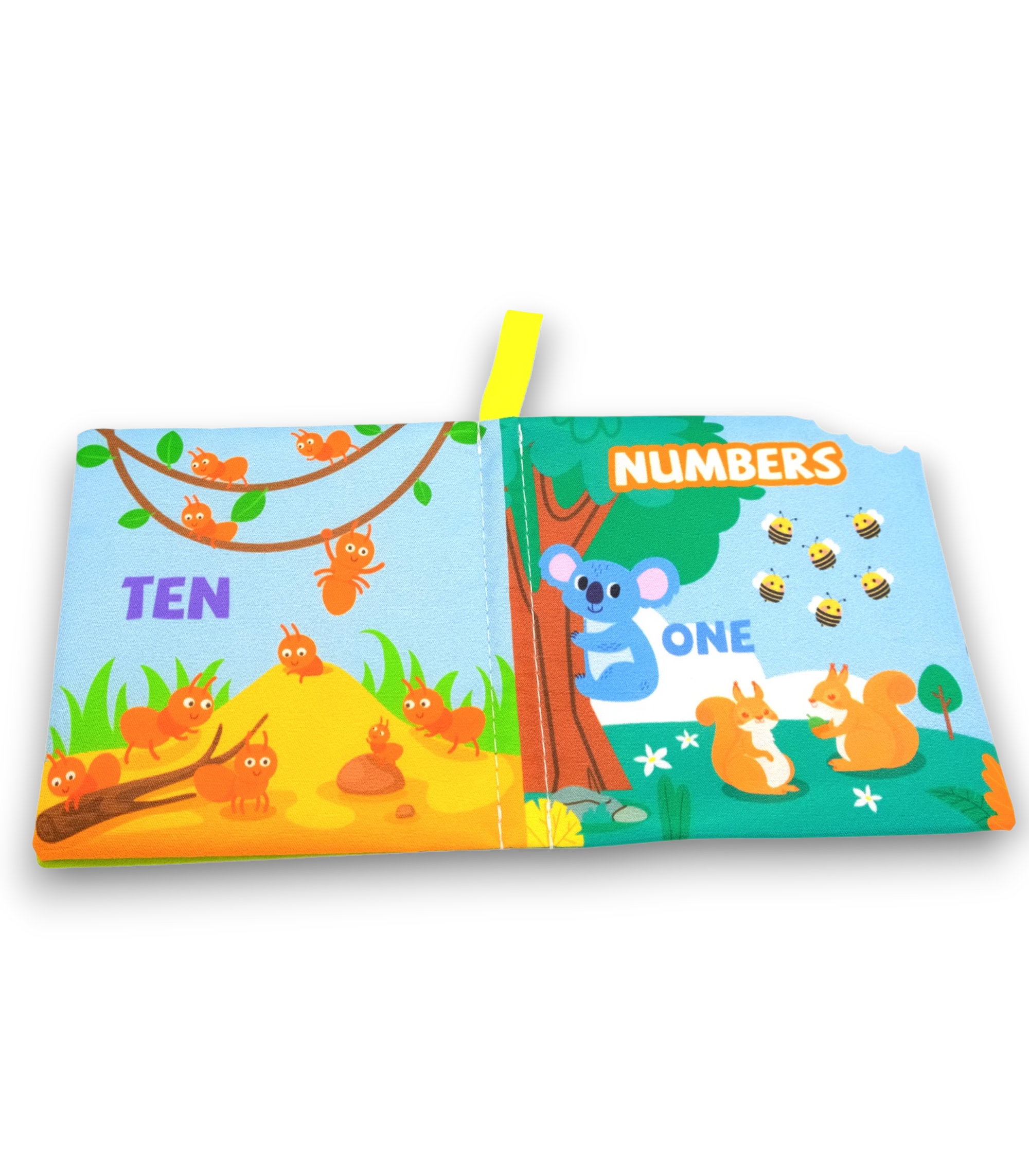
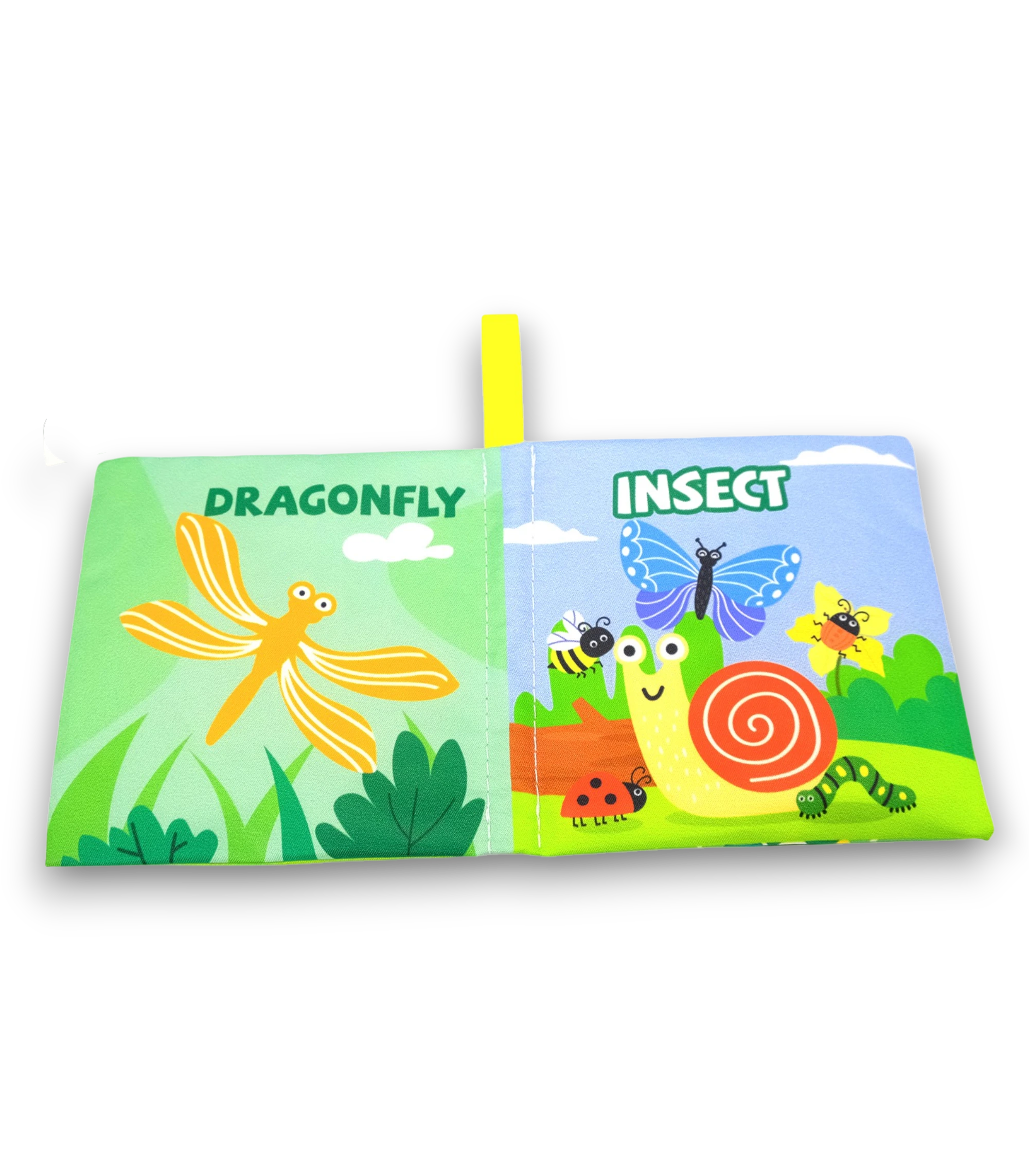
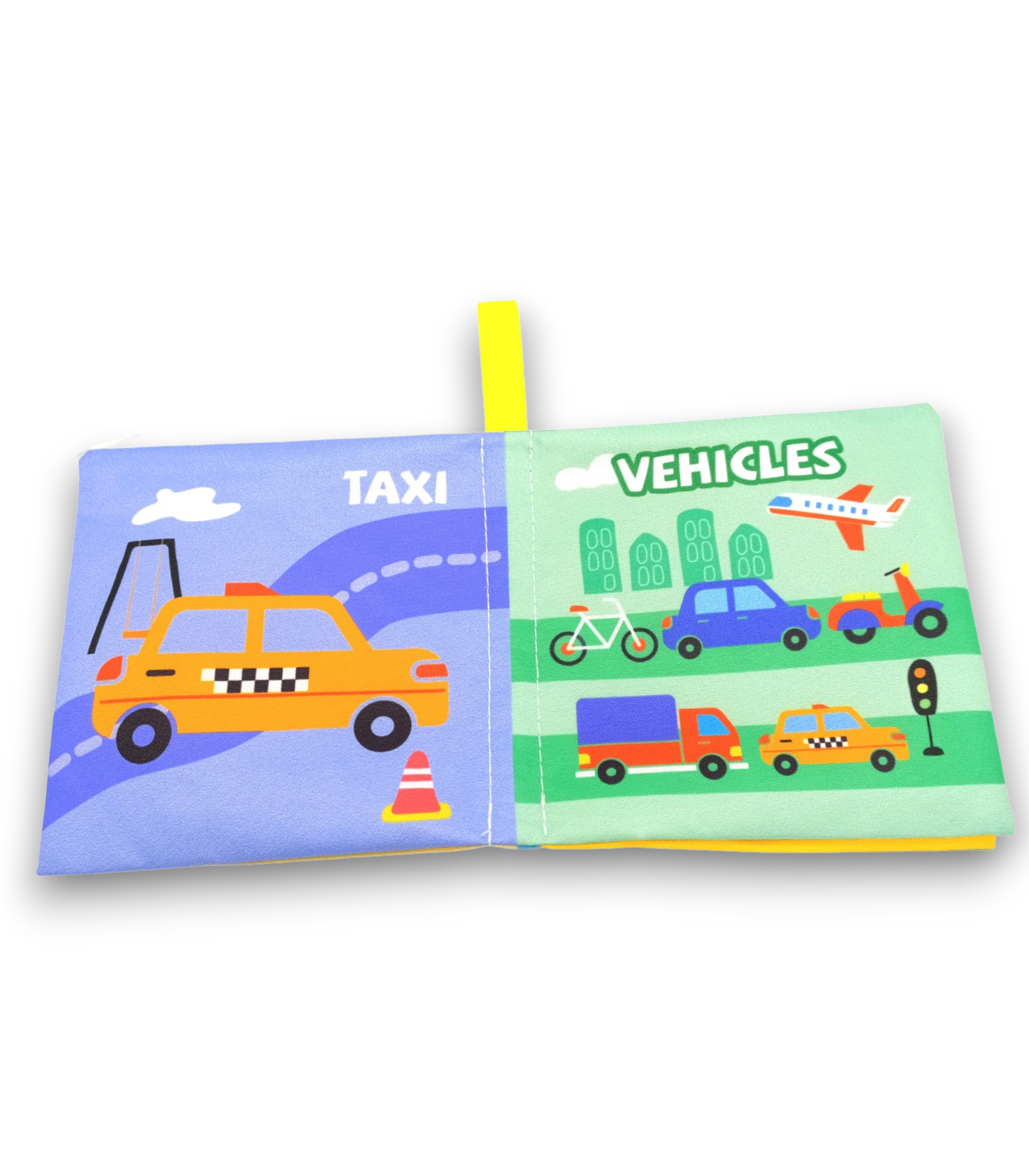
- 5 fabric books featuring profession, family, numbers, insects, and vehicles
- Picture-and-word pages designed for first vocabulary play
Product Type
- English early vocabulary clothbook set
- Sensory fabric books
- Caregiver-led screen-free book play
- Suitable for tummy time, lap reading, floor play, and quiet travel moments
Product Attributes
- Soft fabric pages are comfortable for little hands to hold, turn, and pull closer
- Five focused themes introduce people, family, counting, small creatures, and movement in the world
- Colorful picture pages support naming, matching, counting, sound play, and small story prompts
- The books can be arranged, sorted by theme, sequenced, and revisited as familiar daily objects
Skills Supported
- Early English vocabulary and picture-word association
- Fine motor skill: grasping, page turning, pointing
- Gross motor skill: lifting the head during tummy time, reaching, turning the body toward a book
- Hand-eye coordination, visual tracking, and sensory exploration
- Counting readiness, theme sorting, memory, sequencing, and cause-effect understanding
- Turn-taking, listening response, curiosity, and confidence through caregiver interaction
একটা ছোট কাপড়ের বই বাবুর হাতে গেলে প্রথমে সে পড়তে বসে না; সে ধরে, চাপে, মুখের কাছে আনে, আবার দূরে সরায়। এখান থেকেই বইয়ের সঙ্গে বাবুর বন্ধুত্ব শুরু হয়। এই পাঁচটি নরম বই সেই বন্ধুত্বকে একটু একটু করে বড় করে। পেশার পাতায় ডাক্তার, শিক্ষক বা কাজের মানুষ দেখে আপনি বলতে পারেন, “কে সাহায্য করছে?” পরিবার পাতায় মুখগুলো দেখিয়ে বলতে পারেন, “দাদু কোথায়? মা কোথায়?” সংখ্যার পাতায় এক, দুই, তিন গোনার সময় বাবুর আঙুলও ছবির ওপর হাঁটতে থাকে। পোকামাকড়ের পাতায় ছোট প্রাণীদের নাম আসে, যানবাহনের পাতায় গাড়ি, বাস, ট্রেন, উড়োজাহাজের চলার গল্প আসে।
খেলার নিয়ম খুব সহজ: একটি বই সামনে রাখুন, বাবুকে নিজে পাতা ধরতে দিন, তারপর ছবির নাম বলুন। একই ছবি দুবার দেখলে বলুন, “আবার পেলাম!” বাবু হাত বাড়ালে বইটাকে একটু পাশে রাখুন, যেন টামি টাইমে মাথা তুলে তাকায়, হাত বাড়ায়, শরীর ঘুরিয়ে কাছে আসে। পাতা উল্টানোর সময় আঙুলের চাপ, কবজির ছোট ঘোরানো, চোখ দিয়ে ছবি খোঁজা—এসব মিলেই ফাইন মোটর স্কিল ও হ্যান্ড-আই কোঅর্ডিনেশন কাজ পায়। বইয়ের দিকে ঝুঁকে যাওয়া, হাত বাড়ানো, কোল থেকে মেঝেতে বই ধরতে চাওয়া—এসব অ্যাক্টিভ ফ্লোর প্লে গ্রস মোটর স্কিলেরও সুন্দর অনুশীলন।
এই সেটের বড় আনন্দ হলো একই খেলনা দিয়ে প্রতিদিন নতুন কথা শুরু করা যায়। আজ শুধু পরিবার, কাল শুধু যানবাহন, অন্যদিন সব বই সারি করে “কোনটা আগে, কোনটা পরে” খেলা। আপনি প্রশ্ন করবেন, বাবু ইশারা করবে; আপনি শব্দ করবেন, বাবু মুখ নাড়বে; আপনি বলবেন “বাস যায় ব্রুম”, বাবু হাসবে, আবার পাতা চাইবে। এই আসা-যাওয়ার ভেতরেই টার্ন-টেকিং, শুনে সাড়া দেওয়া, মেমরি, সিকোয়েন্সিং আর কজ-ইফেক্ট বোঝা তৈরি হয়।
ইসিডি ভ্যালুর জায়গায় এই কাপড়ের বইগুলো খুব ঘরোয়া, খুব ব্যবহারযোগ্য। এখানে স্ক্রিন নেই, তাড়াহুড়া নেই, সঠিক উত্তর দেওয়ার চাপ নেই। আছে ছবি দেখে নাম বলা, মিল খোঁজা, গোনা, পরিচিত মুখের সঙ্গে নতুন শব্দ জোড়া লাগানো। বাবু যখন একটি বই বেছে নেয়, তখন পছন্দ প্রকাশের কনফিডেন্স তৈরি হয়। যখন একই পাতায় ফিরে আসে, তখন পরিচিতির আনন্দ তৈরি হয়। কেয়ারগিভারের কণ্ঠ, হাতের স্পর্শ, ছবির রং আর কাপড়ের নরম অনুভূতি একসঙ্গে মিলে শেখাকে উষ্ণ করে তোলে।
প্রতিদিনের রুটিনেও বইগুলো সহজে জায়গা নেয়। সকালের খেলার সময় সংখ্যার বই, বিকেলের মেঝের খেলায় যানবাহন, ঘুমের আগে পরিবারের বই—একেক সময় একেক থিম। বাবু যদি শুধু বই ধরে রাখে, সেটাও খেলা। যদি একই পাতা বারবার দেখে, সেটাও শেখা। কাপড়ের নরম পাতা বাবুকে নিজে চেষ্টা করার সুযোগ দেয়; বই পড়ে যাওয়ার ভয় নেই, পাতা ছিঁড়ে ফেলার চিন্তা নেই। কেয়ারগিভার তখন শুধু পড়িয়ে দেন না, বাবুর চোখ কোথায় থামে, কোন ছবিতে হাত যায়, কোন শব্দে হাসি আসে—এসব দেখে কথার পরের দরজাটা খুলে দেন।
খেলার সময় ছোট ছোট প্রম্পট ব্যবহার করুন: “এটা কে?”, “কোথায় যায়?”, “কয়টা আছে?”, “তোমার প্রিয় কোনটা?”, “আমরা কোন বইটা আগে রাখব?” বাবুর উত্তর শব্দে না এলেও চোখে, আঙুলে, হাসিতে, শরীর ঘুরিয়ে দেওয়ায় উত্তর আসে। সেই উত্তর ধরেই পরের বাক্য বলুন। বই তখন শুধু বই থাকে না; ঘরের ভেতর বাবুর প্রথম কথা, প্রথম ইশারা, প্রথম গোনা আর প্রথম গল্প বলার জায়গা হয়ে ওঠে।
A first cloth book is not only read. It is held, squeezed, reached for, pulled closer, dropped, found again, and shared with a familiar voice. This five-book set turns that natural baby rhythm into a warm early-learning routine. One book opens the world of professions, one brings family faces into conversation, one invites counting, one introduces insects, and one carries vehicles across the page. Each theme gives parents and caregivers a simple way to begin: point, name, pause, repeat, and let the child answer with eyes, hands, sound, or a little smile.
Start with one book at a time. Place it in front of your baby during tummy time and let the body do part of the learning: head lifting, reaching, turning, and leaning toward the page. During lap reading, hold the book slightly to one side so your baby follows the picture with the eyes, then bring it close enough for little fingers to touch. Turn a page slowly and say the word. Tap the picture and wait. That small pause matters; it gives your baby room to look, anticipate, and respond.
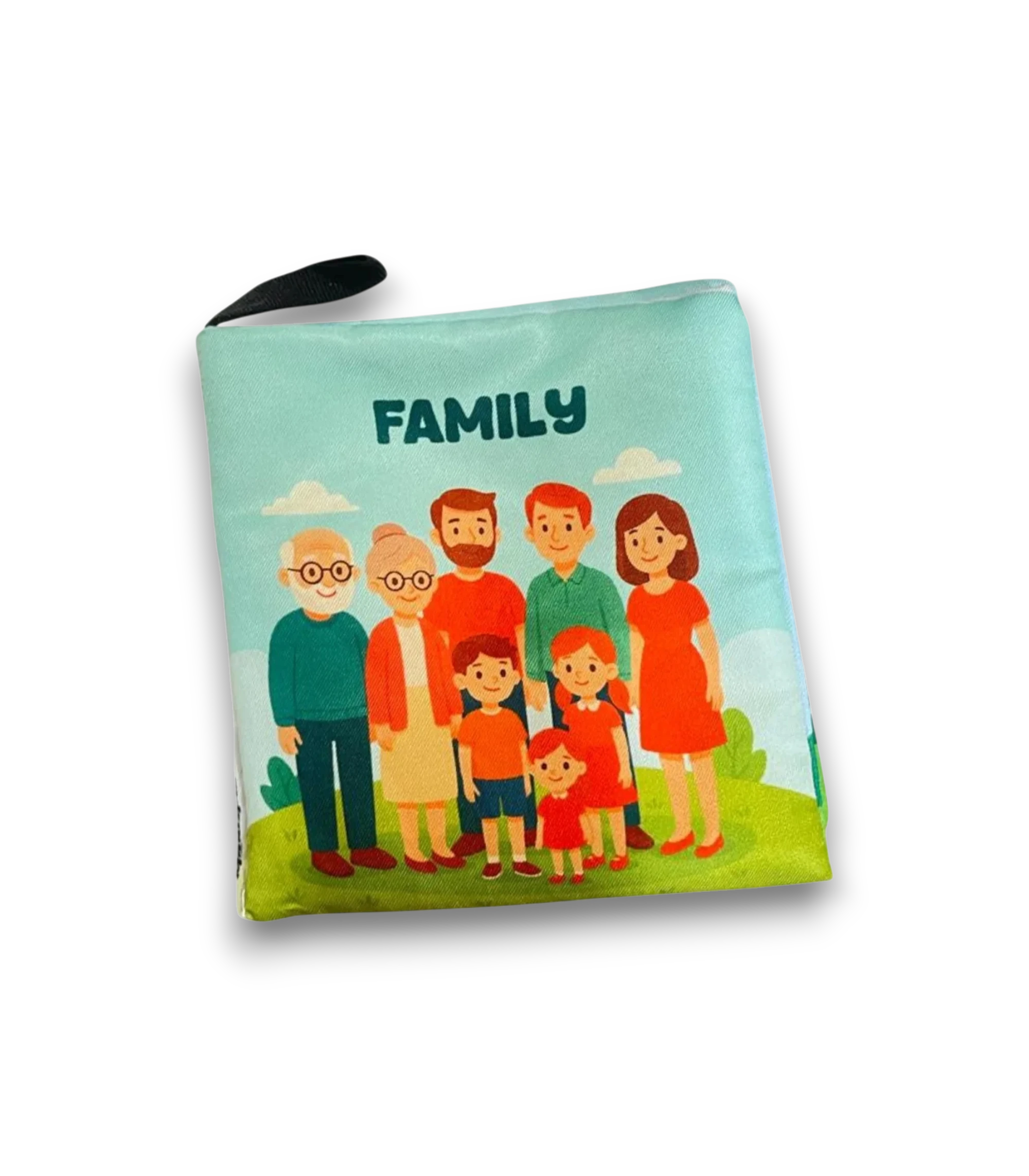
The play can change every day without becoming complicated. With the numbers book, count the pictures and tap each one. With the vehicles book, make the sounds of the bus, car, train, and plane, then ask where each one goes. With the family book, connect the faces to real people at home. With the profession book, act out helping, teaching, cooking, fixing, or caring. With the insect book, use little finger movements across the page and invite your baby to follow. These tiny games support vocabulary, listening, memory, matching, sequencing, and early cause-effect understanding.
The soft fabric format makes the set especially friendly for early hands. Grasping a page, turning it, pointing to a picture, and choosing one book from the group all support fine motor control and hand-eye coordination. When the books are placed just out of reach during floor play, they also invite bigger movement: stretching, shifting weight, pushing up, and turning the body toward something interesting. That is why a clothbook set belongs in active play as much as quiet reading.
It also gives caregivers a flexible rhythm for the day. Use the numbers book in a short morning play session, bring the vehicles book to the mat for movement and sound, save the family book for a calm cuddle before sleep, or spread all five books in a row and invite your baby to choose. Choice is part of the learning. Reaching toward one book, returning to a familiar picture, or pausing at the same page all show attention, preference, and recognition. The set gives those small signals a place to appear.
The strongest value here is the caregiver connection built around the books. Ask small prompts: “Who is this?”, “What do you see?”, “How many?”, “Which one goes fast?”, “Which book first?” Then follow your baby’s attention. If the same page gets chosen again, stay there. Repetition is not boring for a young learner; it is how recognition becomes confidence. Over time, the set becomes a familiar little library for screen-free discovery, language, movement, and the everyday pleasure of learning together.